Unearthing the Intricacies of Jueteng: A Deep Dive into the Age-Old Numbers Game
Jueteng has long been a persistent element in the societal fabric of the Philippines. Despite various efforts to eradicate it, this illegal numbers game continues to thrive, largely due to its deep roots in local culture and economy. In this comprehensive analysis, we delve into the world of Jueteng, examining its history, social and economic impact, and the challenges of controlling its pervasive influence.
The Historical Roots of Jueteng
Originating during the Spanish colonial period, Jueteng derives its name from the combination of the words "hue" meaning flower and "teng" referring to betting. The game involves selecting a set of numbers, usually from one to thirty-seven, and placing bets on these numbers. The winning numbers are then drawn, with payouts determined by the odds of the bets. Jueteng quickly became popular as it provided a form of entertainment and a potential source of income for many Filipinos who found themselves on the lower rungs of the economic ladder.
Cultural Significance
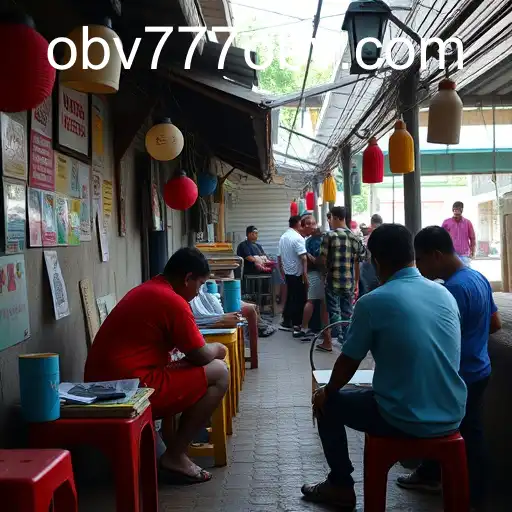
Beyond mere gambling, Jueteng holds cultural significance for many Filipinos. It is often seen as a community activity, with participators eagerly anticipating the daily draw. The game is woven into the social fabric, with every barangay or neighborhood often having its own network of collectors and coordinators. These collectors are typically familiar faces within the community, which reinforces trust and close-knit relationships among participants.
Economic Implications of Jueteng
The economic impact of Jueteng is significant. By some estimates, Jueteng generates billions of pesos annually, circulating money through various levels of society. The game's popularity stems not only from the potential financial gains for players but also from the income it provides to a wide network of people involved in its operation. Collectors, coordinators, and financiers all share in the profits, often reinvesting their earnings into local economies. This redistribution of wealth, albeit illegal, fills a gap in areas where economic opportunities are limited.
Challenges in Regulation and Enforcement
Efforts to regulate and eliminate Jueteng have proven challenging. Law enforcement agencies face significant hurdles, not least of which is the widespread acceptance and protection of Jueteng by various levels of society, including law enforcement and political figures. Corruption is a prevalent issue that hinders the effective policing of the game.
The lucrative nature of Jueteng also makes it vulnerable to exploitation by organized crime groups, who often use it as a means to launder money or exert influence over local populations. Given the financial power Jueteng commands, it can significantly influence political dynamics, offering an efficient mechanism for vote-buying and other forms of electoral manipulation.
Jueteng in Modern Context
In recent times, the debate around Jueteng has intensified, particularly as it involves intricate networks of influential stakeholders. Modernization and technological advancement have further complicated efforts to control its spread. Digital communication tools facilitate more discrete operations, making it harder for authorities to track and infiltrate these networks.
The advent of online gambling has also expanded the traditional boundaries of Jueteng, introducing a whole new dimension to its operation. This digital incarnation challenges governments to rethink their strategies and embrace new technologies in their regulatory efforts. Read more about this on our homepage.
Controversial Perspectives and Ethical Conundrums
While some argue that legalizing Jueteng could harness its economic potential, similar to other lottery systems worldwide, others worry that formalization would merely legitimize and potentially expand its reach. Discussions around legalization and regulation raise controversial ethical questions about state involvement in gambling and its societal implications.
Many proponents of legalization suggest that through regulation, the government could impose taxes on Jueteng, generating revenue that could support social services and infrastructure. Conversely, opponents caution that the moral and familial breakdown associated with gambling would only be exacerbated, with legalization potentially increasing accessibility and addiction.
The Path Forward
While solutions remain uncertain, any approach must balance economic reality with moral considerations, encompassing comprehensive community engagement and robust institutional reform. To address Jueteng's enduring prevalence, policymakers and community leaders must focus on the socioeconomic factors that sustain its popularity, such as poverty and unemployment. Initiatives that foster economic development and provide alternative income opportunities could prove invaluable in reducing the dependency on this illegal endeavor.
Confronted with a multifaceted issue like Jueteng, a combination of educational campaigns, targeted economic policies, and enhanced transparency in governance could pave the way toward an effective resolution. The integration of modern technology in law enforcement and an unwavering commitment to corporate and political accountability are imperative for any lasting change.